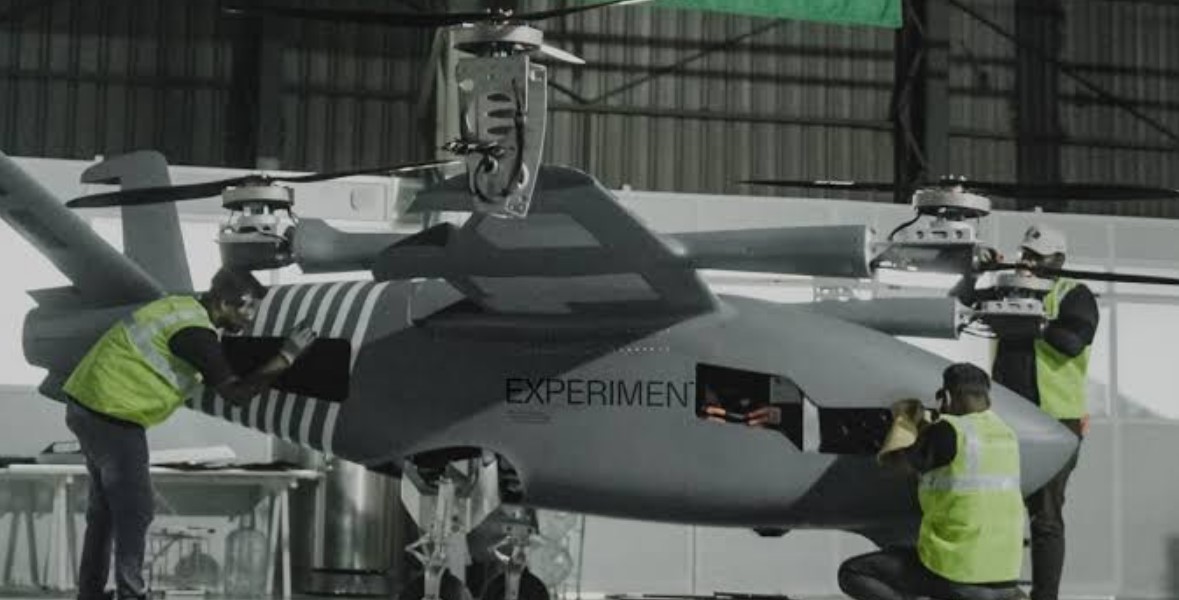
Sarla Aviation completed flight testing for Sylla, its half-scale electric vertical take-off and landing (eVTOL) demonstrator, in July 2026. The 700 kg-class aircraft became India’s heaviest electric aircraft after completing over 500 tests and 18 hours of flight time during a six-month test campaign.
The achievement signals progress in India’s nascent autonomous flight sector. eVTOL technology remains experimental globally, with few companies completing successful flight test programs. Sarla Aviation’s progress with an Indian-built system positions the country as a credible contender in advanced aerospace, not just a manufacturing hub.
The eVTOL Moment
Global manufacturers from Joby to Lilium are racing to commercialize eVTOL technology. The prize is urban air mobility—moving people through cities without traffic. But development costs are enormous. Battery technology, autonomous flight systems, and regulatory frameworks all lag behind ambition.
India has advantages: lower engineering costs, talent availability, and growing urban congestion. The government sees eVTOL potential. Sarla Aviation’s test completion proves Indian teams can execute advanced aerospace projects.
From Demonstrator to Product
Sylla is a technology demonstrator, not a product. The next phase requires scaling to full-size aircraft, integrating passenger systems, and navigating regulatory certification. That transition consumes capital and years. But Sarla Aviation cleared a major technical hurdle.
India doesn’t have mature commercial aviation regulatory frameworks for eVTOL. Creating them will take time. Sarla Aviation will need to coordinate with authorities while advancing engineering. That dance is complex but necessary.
Sarla Aviation’s Sylla eVTOL demonstrator represents India’s first credible progress in electric aircraft technology.