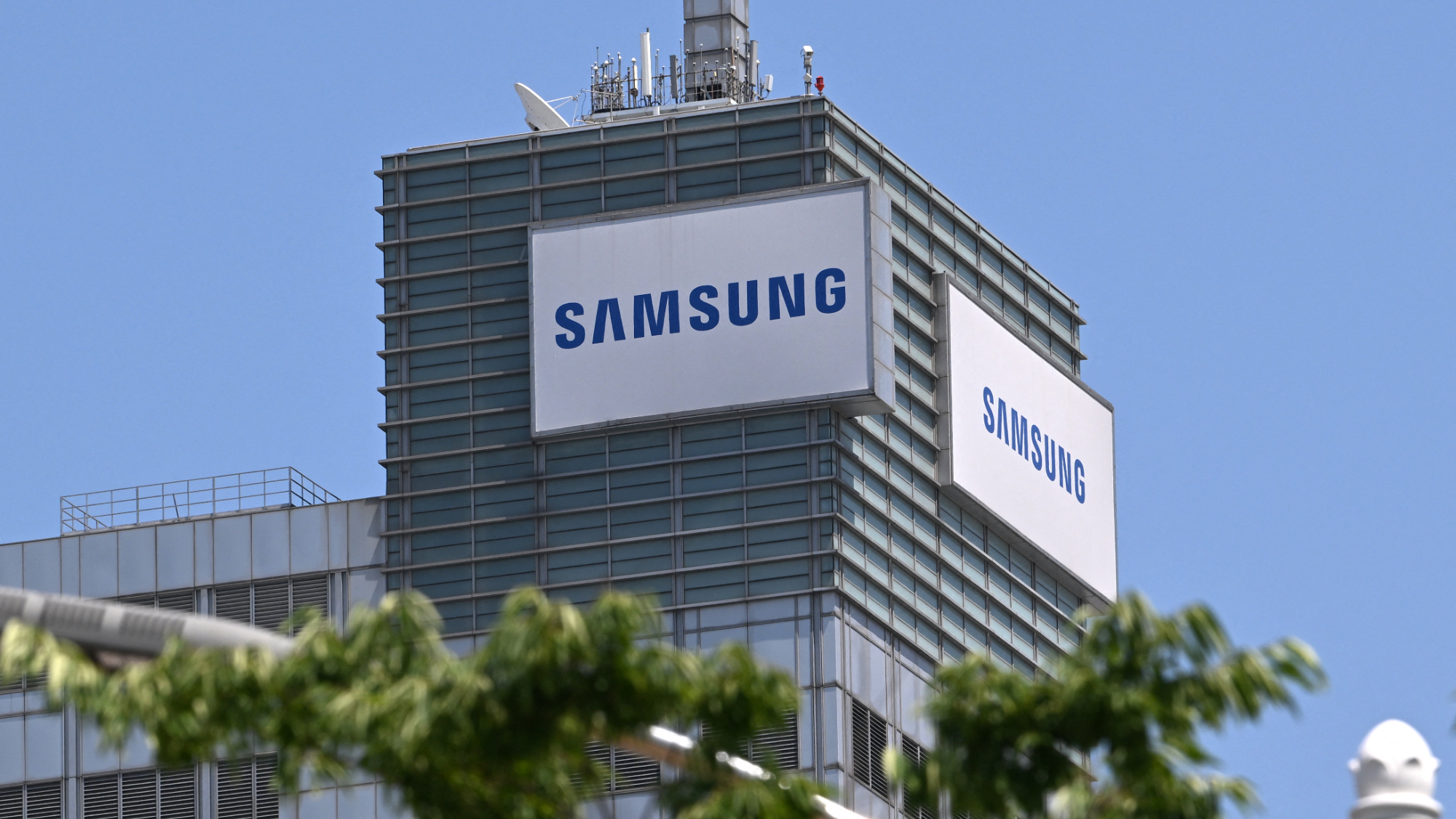
South Korea announced a 1.35 trillion won ($880 billion) investment plan on June 28, 2026, coordinating private capital from Samsung and SK Hynix into semiconductor fabrication and AI infrastructure over 10 years. President Lee Jae Myung framed the commitment as essential to Korea’s economic future and global tech leadership. Samsung Group alone plans to invest approximately 1 trillion won ($648 billion) domestically, covering chip fabrication, AI data centers, next-generation batteries, and display manufacturing. The scale dwarfs previous Korean tech investments.
The $880 billion figure is predominantly private capital being coordinated by the government rather than direct public spending. Korea’s role is orchestrator: setting regulatory frameworks, reducing bureaucratic friction, and ensuring infrastructure—power, water, land—supports the fabrication megaclusters. The four new semiconductor fabrication plants will be located in southwest Korea, with Samsung and SK Hynix each operating two. These are not research facilities. They’re production engines capable of manufacturing AI chips, advanced processors, and memory at volumes that will reshape the global supply chain.
The AI Chip Strategy
Korea sees semiconductor manufacturing as essential AI infrastructure. Global demand for AI compute is soaring. The U.S. controls chip design (Nvidia, AMD, Intel). China manufactures commodity chips. Korea is positioning itself as the global supplier of advanced compute capacity. Samsung and SK Hynix will produce the chips powering AI data centers, training runs, and inference servers worldwide.
The investment signals Korea’s bet that the next decade of AI will require more silicon production than exists today. By building fabrication capacity now, Samsung and SK Hynix secure revenue streams, government support, and pricing power for the coming decade. AI companies worldwide will need Korean-made chips. Korea will control that supply.
Infrastructure Challenges
Korea’s bottleneck isn’t capital or talent. It’s power and water. A single megafab cluster requires approximately 25% of Seoul’s total power consumption. Water cooling demands are equally staggering. Tom’s Hardware reported that existing infrastructure constraints could derail timelines. Korea’s government must upgrade electrical grids, secure water rights, and coordinate across provinces. The logistics alone are complex.
Manufacturing timelines typically run 3-5 years from groundbreaking to full production. The first fabricants could be operational by 2029. Volume production likely follows 2031.
Global Impact
This investment reshapes semiconductor geopolitics. Korea becomes a counterweight to U.S. chip design dominance and Chinese commodity manufacturing. Europe and India are also building fabrication capacity, but Korea’s scale and existing expertise give it advantages. Nvidia, AMD, and other fabless chip designers will court Korean manufacturers. Pricing power shifts slightly away from pure design toward the companies that manufacture at volume.
Korea’s $880 billion bet on AI-era semiconductor manufacturing secures its role as a global tech power for the next decade.

Follow iNews Zoombangla On Google
Open the Google follow page and tap the checkmark option to receive more updates from iNews Zoombangla in your Google news feed.