Tesla sold just 3,519 Cybertrucks in Q1 2026—the lowest quarterly figure since deliveries began in November 2023. Sales plummeted 48 percent in 2025 compared to the prior year, and the momentum hasn’t reversed in early 2026. The futuristic truck that was supposed to reshape the market is struggling.
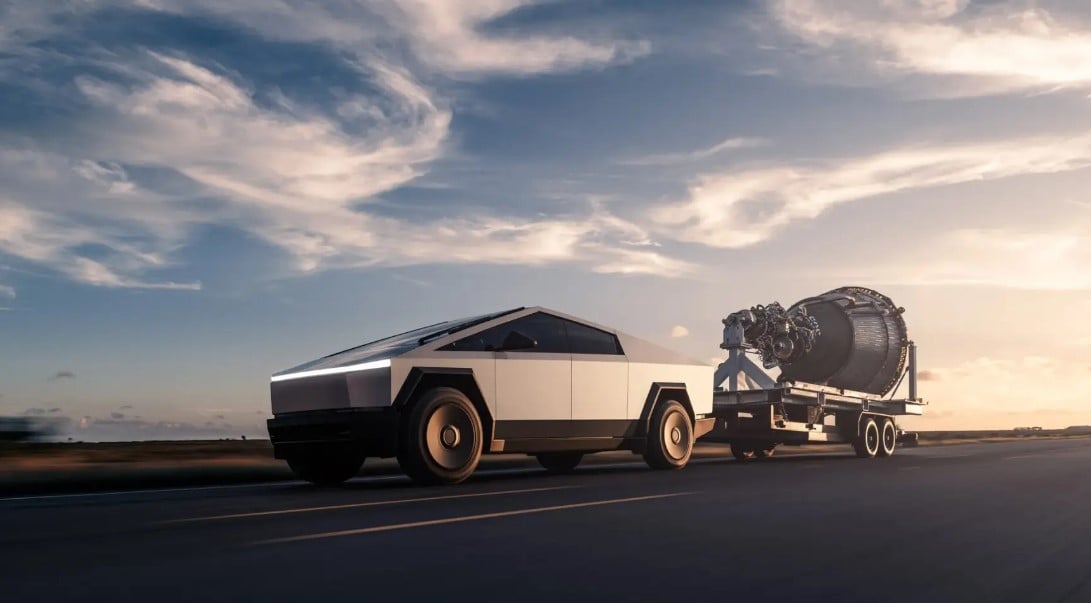
The numbers get grimmer when you remove internal purchases. SpaceX alone bought 1,279 units in Q4 2025. Without those captive sales, Tesla’s real Cybertruck demand looks even softer. Musk-owned companies buying their own products masks the true market reception.
Why Cybertruck Is Failing
Range anxiety persists despite improvements. The unconventional design appeals to enthusiasts but alienates mainstream buyers. Pricing keeps climbing, eating into the value proposition that attracted early adopters. And competitors finally have working EV trucks. Ford’s F-150 Lightning and Chevy Silverado EV are real alternatives, not vaporware.
Tesla tried to fix demand with a cheaper version starting at $59,990 in February 2026. Early response was strong, but deliveries didn’t ramp until June. Q1’s weakness predates that cheaper model’s impact.
The Broader Picture
Tesla remains the dominant EV seller in the US with 46 percent market share, but growth is stalling across the lineup. Model X, S, and Y sales all fell year-over-year. The company needs new products and meaningful improvements to existing ones. Cybertruck was supposed to be the growth catalyst. It’s becoming the growth albatross.
When a product marketed as the future sells fewer units than a truck launched five years earlier, the market is sending a message: novelty wears off fast.

Follow iNews Zoombangla On Google
Open the Google follow page and tap the checkmark option to receive more updates from iNews Zoombangla in your Google news feed.