Tesla is converting its Fremont factory—where the Model S and Model X were built for nearly two decades—into the world’s first large-scale Optimus humanoid robot production line. Production is expected to begin in late July or August 2026. The pivot marks a dramatic shift in Tesla’s manufacturing strategy and signals confidence in robotics as a transformative industry.
Fremont Transformation
The last Model S and Model X vehicles were produced in early May, ending one of automotive history‘s longest production runs. The facility’s conversion is underway, with tooling designed for roughly 10,000 unique parts. Early output will be slow due to the manufacturing complexity and the absence of an established humanoid robot supply chain.
Tesla is designing the Fremont plant for a first-generation production capacity of 1 million Optimus units per year once mass production ramps. That target assumes Tesla can solve the engineering and logistical challenges unique to bipedal robots operating in factories and homes.
Scaling Ambitions
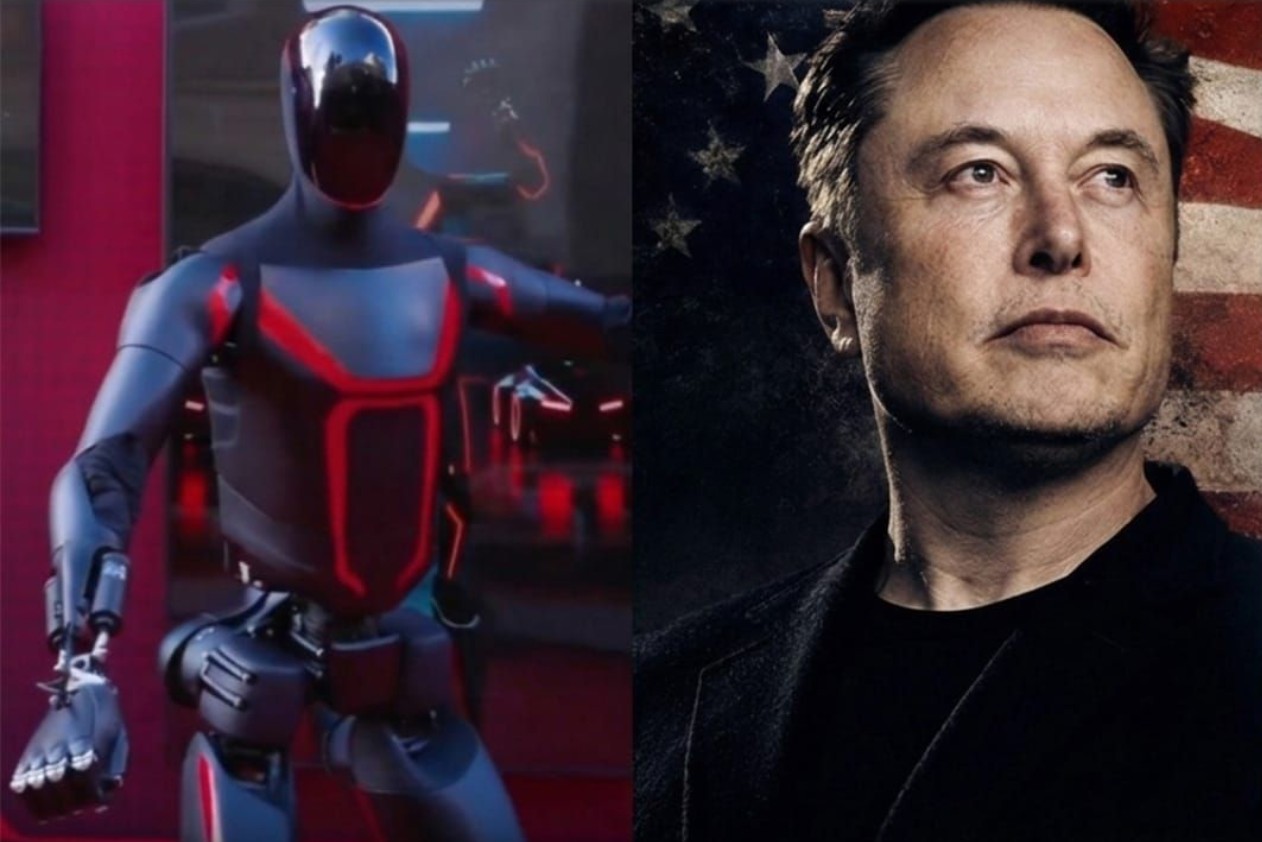
Tesla is already breaking ground on a second Optimus factory at Gigafactory Texas, targeting a long-term annual production capacity of 10 million robots per year. The Texas facility is planned to begin production in Summer 2027. If realized, these volumes would make Optimus one of the most mass-produced robots ever.
The bet reflects CEO Elon Musk’s conviction that humanoid robots will eventually be more valuable than Tesla’s automotive business. Investors and industry observers remain divided on whether the timeline is realistic or aspirational.
Tesla’s shift from cars to robots is one of the boldest industrial pivots in decades. The success or failure of Optimus production ramp will determine whether this pivot was visionary or reckless.

Follow iNews Zoombangla On Google
Open the Google follow page and tap the checkmark option to receive more updates from iNews Zoombangla in your Google news feed.