Typhoon Jangmi strengthened to dangerous levels as it approached Japan, with maximum sustained winds reaching 35 meters per second and gusts exceeding 50 meters per second on June 22. The storm threatened severe flooding and transportation disruptions.
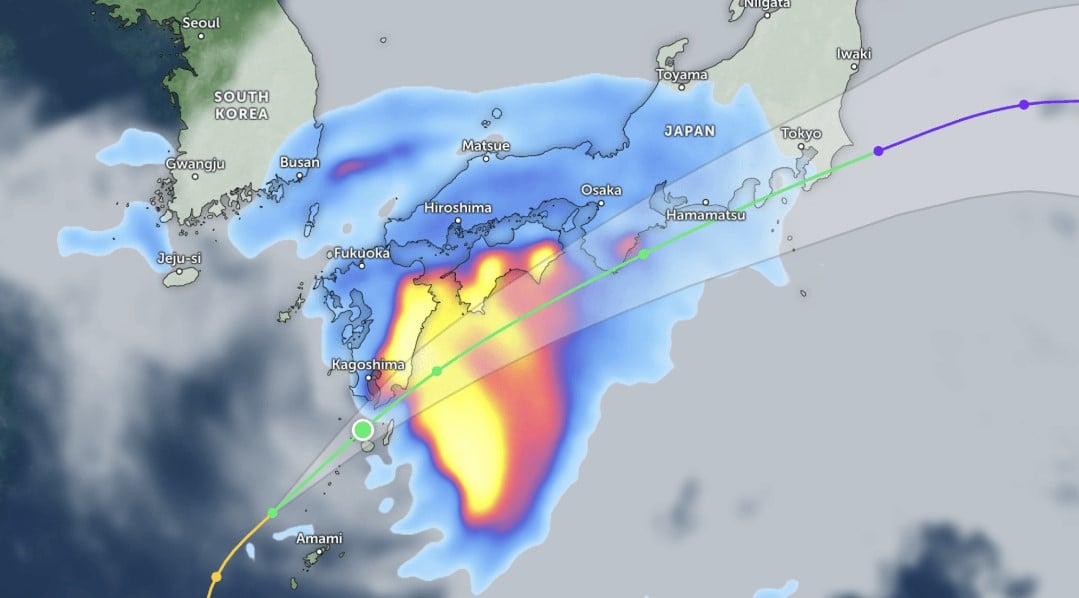
The system was positioned east of the Philippines moving west-northwest toward Japan’s southern regions. Forecasters expected approach to waters south of Okinawa by June 25, with potential strengthening to 40 meters per second winds by June 23.
Although the typhoon may remain south of main islands, extremely moist air posed risks to Honshu and other regions. Meteorologists warned of potential rainfall increases in western and eastern Japan.
The seasonal rainy front stalling over parts of Japan could interact with typhoon moisture. Rainfall could increase sharply Thursday and Friday, with flooding risks in vulnerable areas.
Japan’s meteorological agencies issued weather alerts. Airlines canceled flights to affected regions. Economic losses from disrupted transportation could accumulate to billions of yen.

Follow iNews Zoombangla On Google
Open the Google follow page and tap the checkmark option to receive more updates from iNews Zoombangla in your Google news feed.