Hyderabad-based Vanix Technologies says its Vanix EV chargers could reach more than 10,000 electric-vehicle charger deployments over the next three to five years. Autocar Professional reports that the company is starting from 20 paid residential installations and plans to use those field deployments to refine an adaptive charging platform.
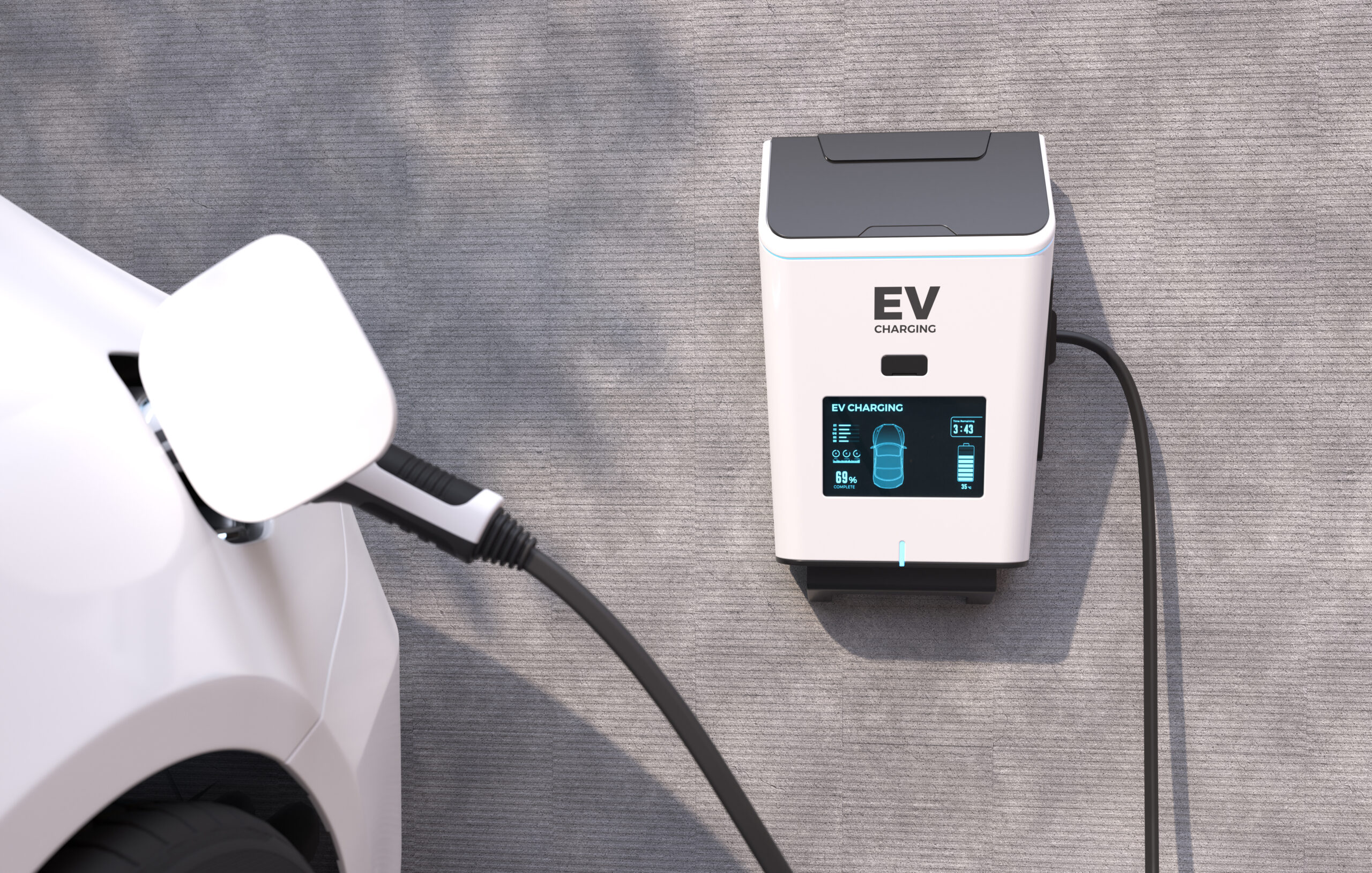
The near-term target is about 1,500 units. Vanix says the existing chargers are spread across several Indian states, including Telangana, Uttar Pradesh, Maharashtra, Andhra Pradesh, Delhi and Punjab. The geographic mix gives the company different household and grid conditions to study.
According to the report, the first 20 units completed about 600 charging sessions in roughly two months. Together they delivered about 9,500 kilowatt-hours over around 2,700 hours of charging time. These are company figures reported by Autocar, not an independent performance test of every installation.
Vanix’s platform is built around an AMD Zynq adaptive system. The company’s own site describes its EVSE charger as a reconfigurable AC charger with hardware and software designed to be updated over time. The approach is intended to handle changes in vehicle behavior, grid conditions and charging standards.
That flexibility can matter in homes and buildings where available electrical capacity changes during the day. Autocar says Vanix is working on dynamic load balancing and is considering capabilities such as renewable-energy integration and bidirectional charging. Those functions need compatible vehicles, local electrical systems and software support before they can be used in practice.
Security is another part of the plan. Vanix recommends secure boot, signed firmware, protected over-the-air updates and a long commitment to security patches. Its EVSE privacy policy identifies the mobile app used to pair, configure and monitor the company’s charging stations.
The company designs its controller, firmware and cloud platform in-house and uses Indian electronics manufacturing partners for volume production. It says India will remain its main market while it explores the Middle East, Southeast Asia and other export regions.
Moving from 20 installations to more than 10,000 would be a large operational test. Installation quality, customer support, network uptime and replacement parts will matter as much as the controller architecture. A charger that can be updated is still only useful if the updates are delivered safely and reliably.
Vanix has announced a target, not a completed deployment total. The current evidence supports the size of the plan and the platform’s stated design goals. Buyers and fleet operators should ask for final power ratings, certifications, warranty terms and support coverage before choosing a charger.

Follow iNews Zoombangla On Google
Open the Google follow page and tap the checkmark option to receive more updates from iNews Zoombangla in your Google news feed.