Vivo’s V80 is headed to the Indian market with a Snapdragon 8s Gen 3 processor and a bright 120Hz AMOLED display. The device positions itself as a premium mid-range phone with flagship-level performance at a more accessible price.
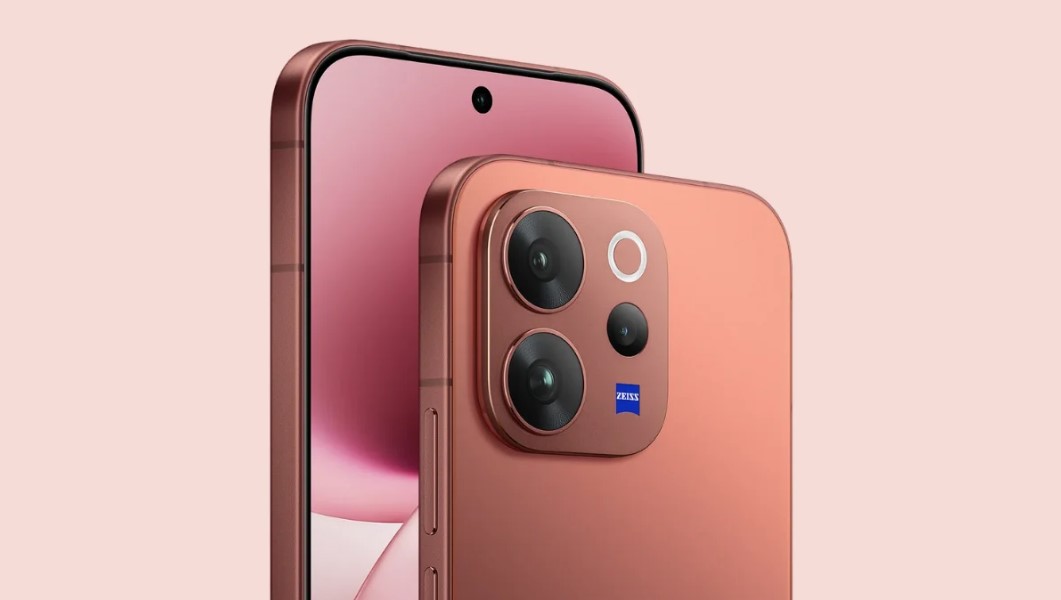
The V80 enters a segment where Oppo and OnePlus have found success. Vivo’s strategy mirrors theirs: high refresh rate display, capable processor, fast charging, and competent cameras. Execution and price determine winners.
Display Technology as the Draw
The 120Hz AMOLED screen is the V80’s standout spec. AMOLED panels deliver deep blacks and vivid colors. 120Hz refresh rates make scrolling feel smooth. Together, they create a user experience that feels more premium than the specs alone suggest.
Vivo worked with display partners to maximize brightness. An AMOLED display that looks washed out in sunlight is worthless. Vivo aimed for brightness without sacrificing color accuracy. This balance is harder than it sounds.
The display size and aspect ratio aren’t specified, but typical V-series phones use 6.5-inch screens with 20:9 aspect ratios. This is the standard for Indian flagships.
Snapdragon 8s Performance
The Snapdragon 8s Gen 3 sits below the flagship Snapdragon 8 Elite. It’s still very fast. Gaming, video editing, and heavy multitasking pose no problems. The compromise is marginal for most users.
Qualcomm’s binning strategy is deliberate. The 8s uses slightly lower-clocked cores and a different GPU than the flagship. This saves cost without killing performance. Vivo passes some savings to consumers.
The processor supports WiFi 7 and the latest Bluetooth. Future-proofing matters when phones last three or four years.
Camera and Charging
The V80 carries Vivo’s typical camera setup: a main sensor in the 50MP range with a telephoto and ultra-wide supporting actors. Vivo’s software processing makes these cameras competitive with phones twice the price.
Fast charging is table stakes in India. The V80 will likely include 70W or higher wired charging, letting users go from zero to full in under 30 minutes. Battery size is unknown but should exceed 5,000mAh to support all-day use.
Positioning in July 2026
July is a good month for mid-range phone launches in India. The summer season is ending. Students are preparing for the next academic year. Working professionals refresh phones before monsoon season.
Vivo doesn’t dominate headlines like Samsung or Apple. But the brand has loyal users in India. The V series has a reputation for value and reliability. The V80 bets on extending that goodwill into the flagship-lite segment.
The Vivo V80 proves that killer specs don’t require killer prices. When a phone can do everything users need and display it on a beautiful screen, price becomes the only decision factor. Vivo is betting price-conscious buyers will see the deal.

Follow iNews Zoombangla On Google
Open the Google follow page and tap the checkmark option to receive more updates from iNews Zoombangla in your Google news feed.