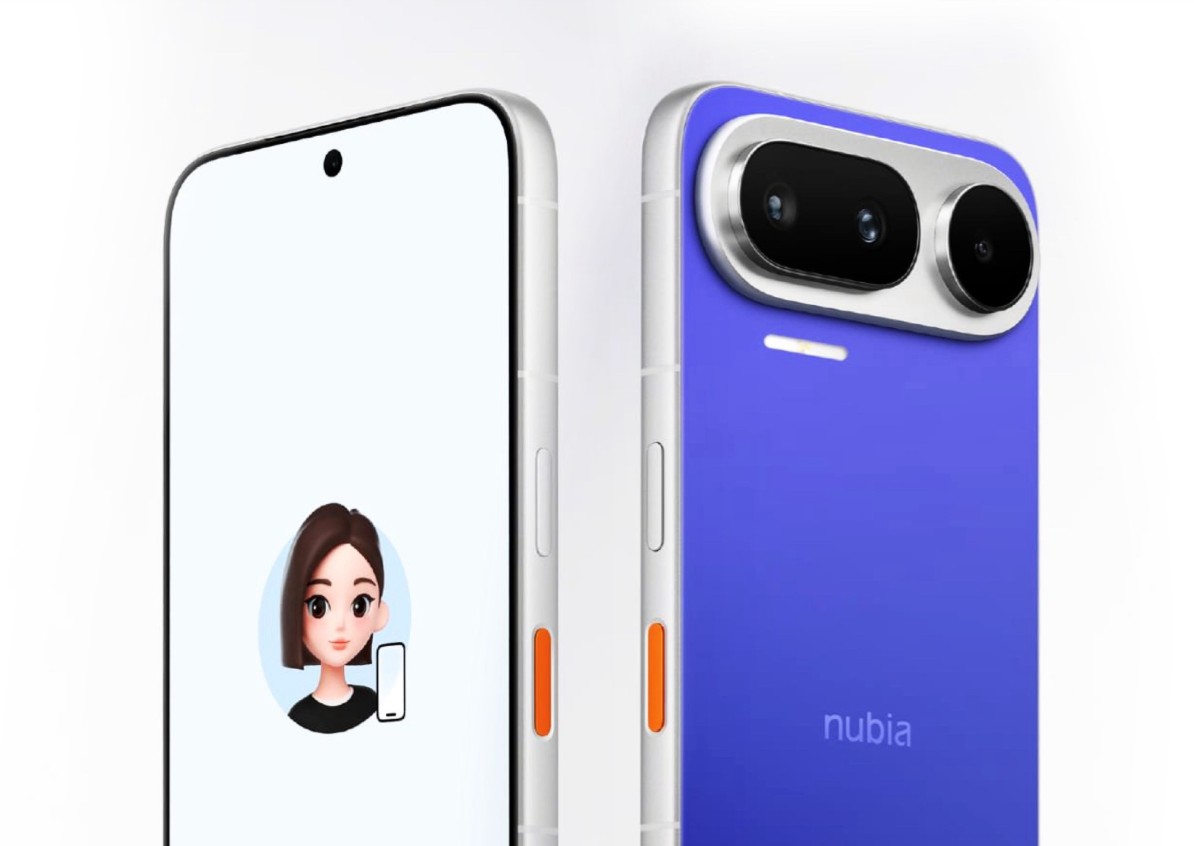
ZTE has unveiled the NaviX Ultra, a smartphone built entirely around autonomous AI. The device, showcased this week at Shanghai’s premier tech summit, runs ByteDance’s Doubao AI agent and abandons the traditional app-based model in favor of agentic computing.
Users summon Doubao with a voice command or a button press. The phone comes in black, pink, white, and blue, with a starting price of 3,499 yuan (roughly $516). An initial production run of 30,000 units sold out immediately, with used models later trading at double the original price on secondary markets.
What “Agentic AI” Actually Means
Unlike conventional smartphones that bolt AI features onto existing interfaces, agentic devices execute instructions autonomously across multiple applications. You tell Doubao what you need, and it works across your apps to get it done — no app-switching required.
This represents a fundamental shift in how mobile devices operate. Instead of opening Gmail, then Slack, then a calendar app, you simply describe the task. The AI handles the coordination.
China’s AI-First Race
ZTE isn’t alone. Xiaomi, Oppo, and other Chinese manufacturers have all released AI-focused phones in recent months. The market is responding to slowing smartphone sales by asking what role AI can play in making devices feel genuinely new again.
Nubia, ZTE’s premium brand, first presented a prototype in December at a much lower price point. The fact that units are selling out on the grey market at premium prices suggests real demand exists among early adopters willing to abandon the app paradigm.
Whether Western markets adopt agentic phones remains an open question, but China’s phone makers have clearly decided the next battleground isn’t specs or design—it’s how the device thinks.

Follow iNews Zoombangla On Google
Open the Google follow page and tap the checkmark option to receive more updates from iNews Zoombangla in your Google news feed.