A hormonal condition long known as polycystic ovary syndrome, or PCOS, is being renamed after an international effort involving researchers, clinicians and patients who argued that the existing terminology no longer reflected the full scope of the disorder.
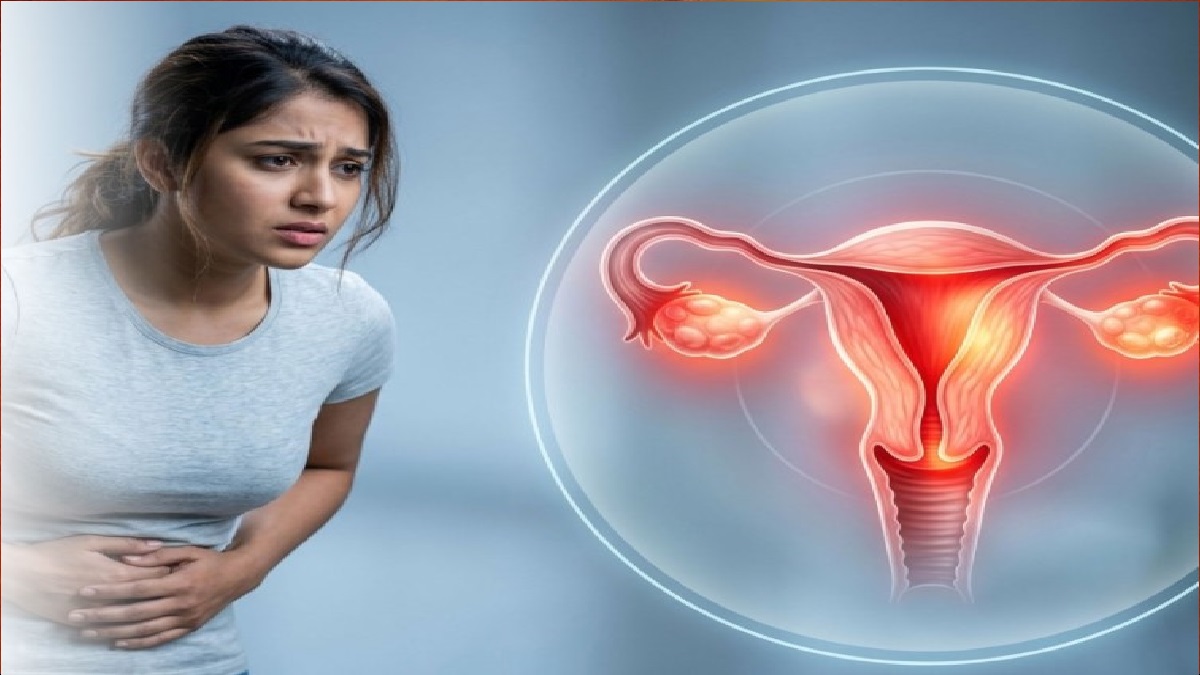
The condition will now be known as polyendocrine metabolic ovarian syndrome, abbreviated as PMOS, according to experts who took part in the renaming process. The change follows years of discussion among medical professionals and patient advocates who said the previous name placed too much emphasis on ovarian features while failing to capture the broader hormonal and metabolic aspects associated with the condition.
Dr. Helena Teede, an endocrinologist and professor of women’s health at Monash University in Australia, said concerns about the accuracy of the name had been raised repeatedly by both patients and healthcare providers.
“It was very clear that the name was inaccurate,” Teede said.
Teede chaired the steering group that led the renaming initiative and also serves as director of the Monash Centre for Health Research & Implementation. She said the discussion surrounding the condition extended well beyond academic debate and reflected long-standing concerns from people living with the disorder.
PCOS affects roughly one in eight women. Despite its prevalence, specialists involved in the review said many patients felt the name contributed to misunderstandings about symptoms, diagnosis and the condition’s potential long-term health implications.
The move toward PMOS emerged from what organizers described as a large-scale international consultation. Thousands of people diagnosed with the syndrome participated in surveys alongside thousands of healthcare professionals representing different medical specialties and regions.
According to Teede, the process drew input from a wide range of stakeholders rather than a small group of experts. Fifty-six academic, clinical and patient organizations were involved in funding and overseeing the effort, making it one of the more extensive consultations undertaken for a medical renaming initiative.
“It was a really robust process, and the community was involved at all stages,” she told Live Science. “We hope that people will understand and respect the process — understand that it wasn’t made behind closed doors with a few small expert groups, which is what normally happens.”
The transition to the new terminology is expected to take place gradually. Organizers said the next three years will focus on increasing awareness among healthcare providers, researchers and patients while encouraging broader adoption of PMOS in medical practice and public health communication.
For those involved in the effort, the change is intended to align the language used to describe the condition with the way it is understood in clinical settings. Supporters of the new name argue that it better reflects the multiple systems affected by the disorder rather than concentrating on a single feature highlighted in the previous terminology.
Read More:
Panasonic Lumix L10 Pre-Orders Outpace Expectations Ahead of Launch
As healthcare organizations and professionals begin adapting to the new language, the transition marks a significant shift in how one of the most common hormonal conditions affecting women is described and discussed.

Follow iNews Zoombangla On Google
Open the Google follow page and tap the checkmark option to receive more updates from iNews Zoombangla in your Google news feed.