SpaceX became eligible for inclusion in MSCI global equity indices on Saturday, its second day of trading on the Nasdaq, after the index provider announced it would apply its standard large-IPO fast-track rule to the newly listed company. The decision meant that index-tracking funds around the world were required to begin buying shares of the company, adding a fresh source of institutional demand to the stock.
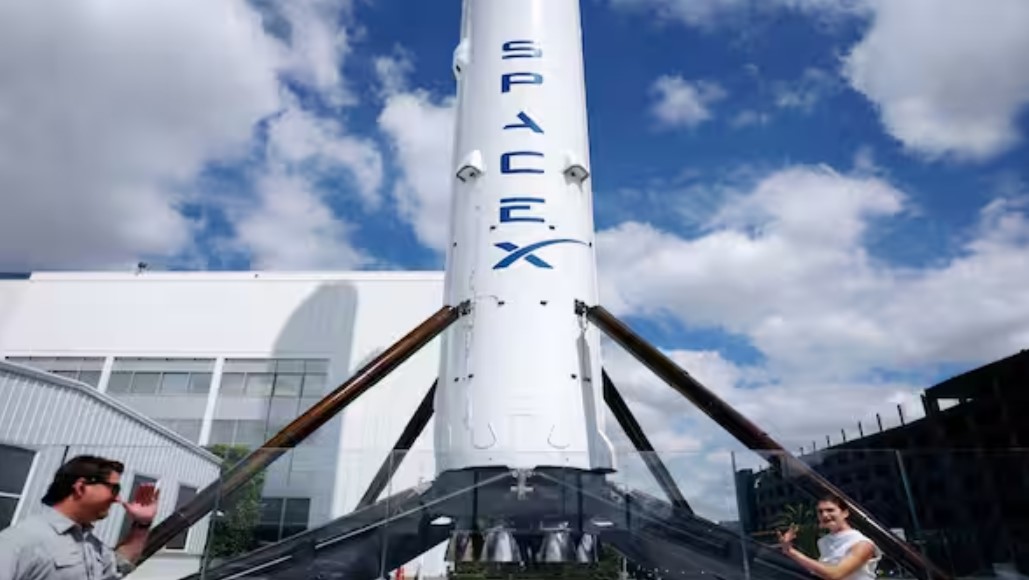
SpaceX priced its initial public offering at $135 per share on June 12, raising approximately $75 billion and making it one of the largest IPOs in history by market capitalisation. Shares closed up 19 percent at $160.95 on the first day of trading, hitting an intraday high of $176.52 before settling lower. The company’s market capitalisation at close was estimated at more than $1.75 trillion.
The MSCI fast-track rule for large IPOs allows a newly listed company to enter major benchmarks as early as the first trading day following the IPO, rather than waiting for the standard quarterly index rebalancing. For SpaceX, that meant Day 2 triggered automatic purchases by the hundreds of billions of dollars worth of funds that track MSCI indices globally. Demand from passive funds typically creates a sustained buying pressure over several days as funds adjust their weightings.
SpaceX’s most profitable division is Starlink, its global satellite internet service, which generated $11.4 billion in revenue in 2025 at a 63 percent EBITDA margin. The company also generates revenue from its rocket launch business, government contracts with NASA and the US Department of Defense, and its Starshield secure communications network. The breadth of the business model gave analysts a range of views on valuation, with price targets varying widely.
Elon Musk retains a majority stake in SpaceX following the IPO. The listing made him what several financial analysts called a trillionaire based on the combination of his SpaceX stake, his Tesla holding, and other assets. Musk described the IPO as a step toward funding the company’s long-term mission of colonizing Mars.
The stock’s second-day performance was closely watched as a signal of whether the first-day surge reflected genuine demand or short-term speculation. Traders said the MSCI inclusion was expected to provide a floor under the price as index funds bought shares systematically. The broader market context, including the Iran peace deal progress and declining oil prices, offered a supportive backdrop for large-cap growth stocks. The first-day trading details were widely reported Friday. Tokenized SpaceX shares were also made available through crypto platforms on IPO day. The listing came during a week when improving macro conditions offered additional tailwinds for equity markets globally.

Follow iNews Zoombangla On Google
Open the Google follow page and tap the checkmark option to receive more updates from iNews Zoombangla in your Google news feed.