India has moved to appoint senior politician Dinesh Trivedi as its next high commissioner to Bangladesh, marking a notable shift in its diplomatic approach at a sensitive moment in bilateral relations.
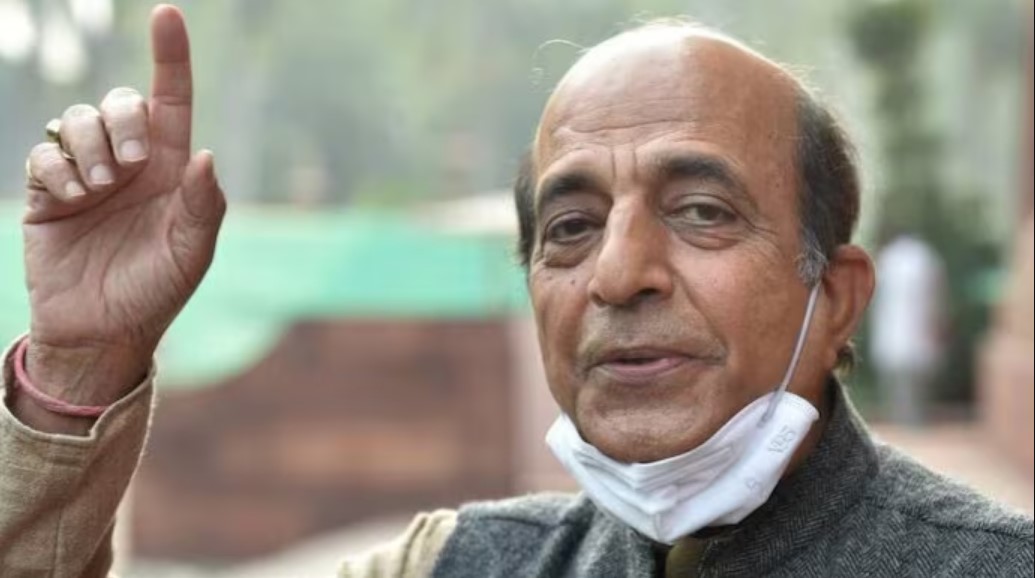
The nomination, first reported by Hindustan Times, places a veteran political figure—rather than a career diplomat—at the centre of India’s outreach to Dhaka. Trivedi is set to replace Pranay Verma, who is expected to take up a new assignment as India’s envoy to the European Union in Brussels.
The appointment, however, remains subject to approval from the government in Dhaka, led by Tarique Rahman. Diplomatic postings of this level require formal consent from the host country, a step that will determine how quickly the transition proceeds.
Trivedi, 75, brings a long record in public life. He has served as India’s minister for railways and earlier as minister of state for health and family welfare during his time with the Trinamool Congress. His political journey took a turn in 2021 when he resigned from the party and joined the Bharatiya Janata Party.
The choice of a political appointee is being read as a departure from recent practice, where Indian Foreign Service officers have typically been assigned to Dhaka. According to the Hindustan Times, the move also carries an internal message, signalling expectations of accountability within India’s Ministry of External Affairs.
The timing is difficult to ignore. India and Bangladesh have been working to steady ties following tensions that emerged after the mass uprising in August 2024, which led to the removal of then prime minister Sheikh Hasina. Since then, both sides have been navigating a period of adjustment, with diplomatic engagement taking on added importance.
Officials in New Delhi appear to be signalling a willingness to recalibrate how key relationships are managed, particularly with close neighbours. Sending a senior political figure rather than a career envoy suggests an emphasis on direct political communication at a time when trust and coordination are under strain.
For Dhaka, the decision now rests on whether to accept the nomination and how it fits into its own diplomatic priorities. The coming weeks are likely to indicate how both governments intend to handle a relationship that remains central to regional stability.
Also Read:
Macron and Meloni Meeting Draws Attention as Hormuz Talks Take Centre Stage
The development leaves open a question of tone rather than direction. Much will depend on how the appointment is received, and whether it helps restore a steadier rhythm to ties that have recently faced uncertainty.

Follow iNews Zoombangla On Google
Open the Google follow page and tap the checkmark option to receive more updates from iNews Zoombangla in your Google news feed.