Clint Dempsey remains in football conversation as teams, commentators and fans discuss what leadership language really looks like under pressure. That conversation is not about one quote or one highlight. It is about how teams reuse familiar examples to measure current execution in high tempo games.
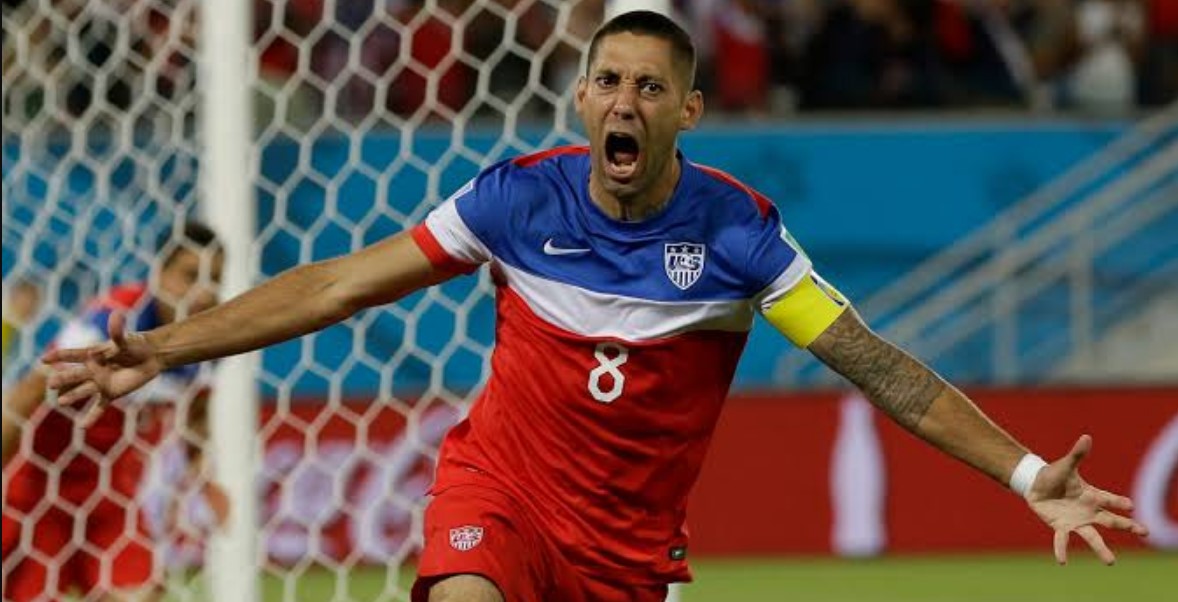
For readers, this angle is practical because the name is now part of a broader comparison language: who holds shape in transition, who sets rhythm at the edge of pressure and who brings calm through moments that can decide a match quickly. That is why this type of topic keeps its shelf life while the tournament conversation remains active.
Why this is useful beyond nostalgia
Sports readers may remember old moments, but they also want to understand present choices. Clint Dempsey presence in coverage now works because people use him as a practical benchmark for timing and leadership rather than as a single historical marker. That helps supporters who are not full time analysts follow tactical discussion without technical jargon.
It also gives editors a clean transition from past reference to present match context. The key question is no longer where the legacy ended, but how much of that discipline appears in team behaviour under pressure today.
What is the real angle for the next two days
Over the next 48 hours, readers are following fixture windows and team announcements with the same practical lens: which side keeps composure after high moments and which side recovers quickly when structure is challenged. That is where benchmark names are most relevant.
Clint Dempsey stays in football coverage because leadership language still helps people evaluate pressure shifts, not just final score. It gives current football readers a familiar way to judge performance in real time.