DJI has launched the Osmo 360 II, a 360-degree camera built around native 8K/60fps video. DJI’s announcement says the camera uses a high-dynamic-range 1-inch sensor, AI SuperNight 2.0 and replaceable lenses for users who want to record immersive footage in different conditions.
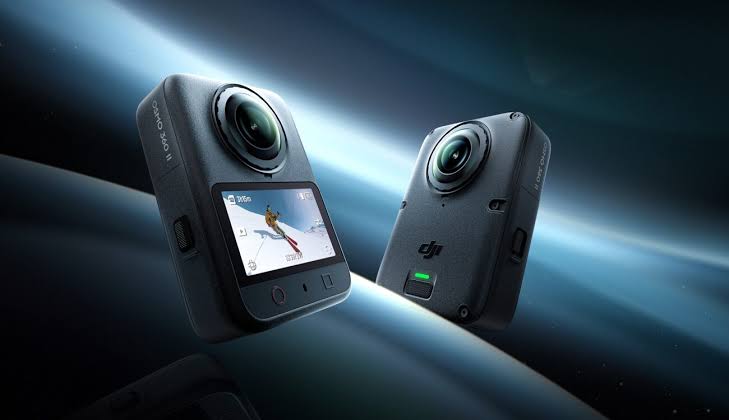
The 8K/60fps mode is the headline specification. Recording more frames at the same high resolution can make fast movement look smoother, but it also creates larger files and increases the need for fast storage. The final result will depend on light, camera movement and the software used to edit the footage.
DJI says the square HDR sensor is designed to make efficient use of the imaging area around a 360-degree view. The company also highlights low-light performance and its AI SuperNight 2.0 processing. These are DJI’s product claims, so users should judge the camera through independent tests once longer reviews are available.
Replaceable lenses give the Osmo 360 II a practical advantage for active users. A scratched lens can affect every direction in a 360 recording, so a replaceable part may be easier to deal with than replacing the whole camera. Owners will still need to handle the lens carefully and use the correct accessories.
360 cameras record the scene around the user, which changes the way footage is captured. The camera operator does not have to frame every shot in advance, but editing is required later to choose the direction and perspective viewers will see. That workflow can be useful for travel, action sports and virtual tours.
DJI is positioning the Osmo 360 II against other premium 360 cameras, including the Insta360 X6. Insta360’s official specifications list 8K 360 video at up to 30 frames per second for the X6, while DJI’s headline advantage is its 8K/60fps mode. Frame rate is only one part of image quality, but it gives buyers a clear point of comparison.
The Osmo 360 II is therefore aimed at creators who value high-resolution reframing, smoother motion and the flexibility of 360 capture. Its actual value will depend on price, battery life, heat management and the quality of its editing workflow. DJI has now confirmed the core capabilities; independent testing will show how they hold up in everyday use.