State of Decay 3 has been one of those game titles that can keep players talking even when there is no brand new trailer in front of them. Survival games tend to do that well. They build interest around the kind of experience players expect rather than around a single moment of spectacle. That is why the name still carries weight.
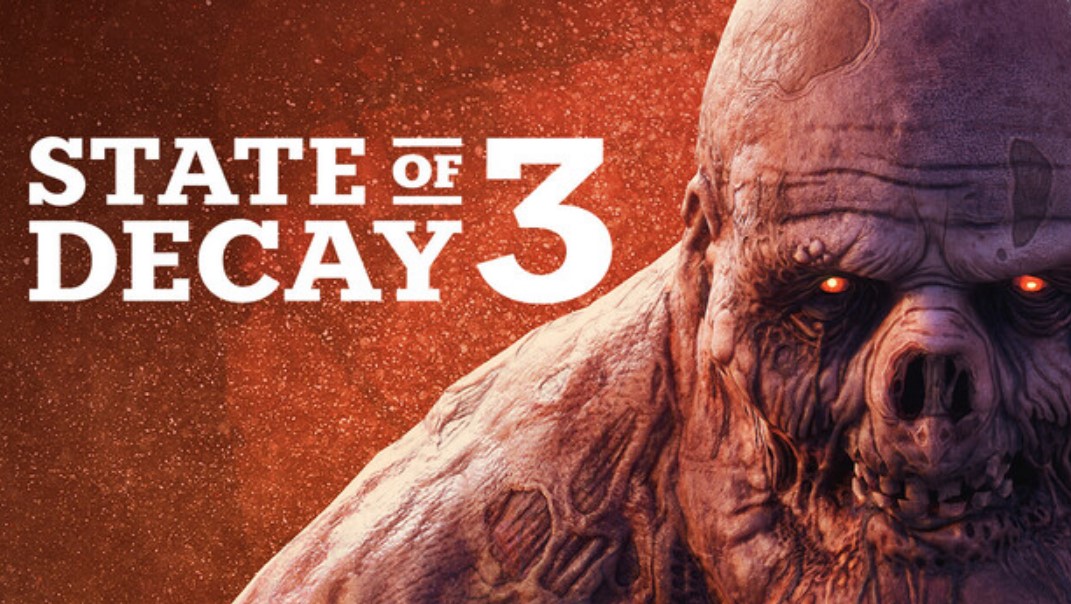
The appeal is easy to understand. Fans of the series want to know how the next entry will handle the tension, the resource management and the world-building that made the earlier games memorable. A survival game only works if it feels harsh enough to matter and flexible enough to keep people experimenting. That balance is what keeps the discussion alive.
Why the series keeps its audience
Games like this survive in conversation because players enjoy the feeling of building something under pressure. The world is supposed to feel dangerous. The decisions are supposed to matter. If the next release can keep that feeling intact, it has a good chance of holding the same audience again. That is why the title remains relevant even before the next big update arrives.
There is also the broader appeal of long-running game franchises. Players who have already spent time in a series do not need a full reset. They want familiar systems, but they also want enough new ideas to make the new chapter feel worth the wait. That is a difficult balance, and it is part of what keeps conversation around the game active.
Why fans watch the next move closely
Modern game audiences do not just wait for release day. They watch for design updates, platform notes and any sign that the project is heading in the right direction. That means a title like State of Decay 3 stays relevant longer than a single news cycle. It becomes a continuing topic for players who follow the survival genre closely.
State of Decay 3 keeps survival game fans talking because the series still has enough identity to make the next chapter feel important.
That is usually the mark of a franchise that has not lost its audience.