
Reliance Jio showcased its expanding 4G and 5G network footprint across India’s Northeast at the North East India Infrastructure Summit…

Reliance Jio showcased its expanding 4G and 5G network footprint across India’s Northeast at the North East India Infrastructure Summit…
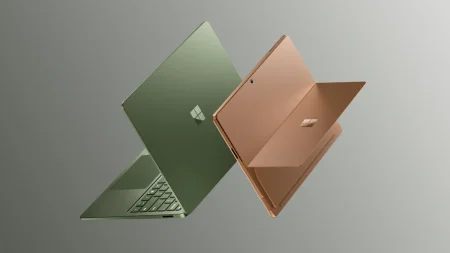
Microsoft launched the Surface Laptop 8 and Surface Pro 12 on July 14, 2026, for business customers, featuring Qualcomm’s new…
Samsung Electronics climbed 5.3% and SK Hynix surged 9.2% on July 23 as investors bet South Korean chipmakers will profit…

Alibaba unveiled Qwen 3.8 Max on July 19 at Shanghai World AI Conference, a 2.4-trillion-parameter model claimed second only to…

Together AI closed an $800 million funding round in July 2026, positioning itself as a critical infrastructure player in the…
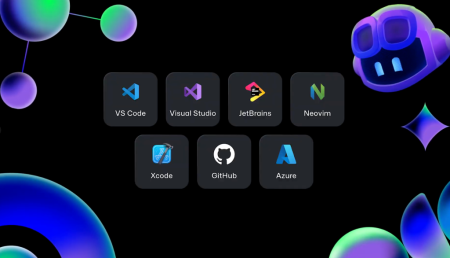
Microsoft released the GitHub Copilot desktop app in technical preview, offering developers a centralized dashboard for managing AI agents and…

The United States and China held their first official AI dialogue under President Trump’s second administration in July 2026. The…
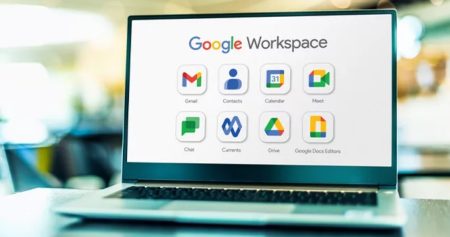
Google announced new AI-powered enterprise tools designed to boost productivity across businesses. The suite includes updates to Google Workspace, advanced…
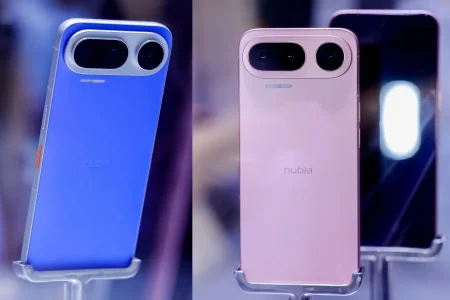
Chinese phone maker Nubia unveiled the NaviX Ultra, a smartphone powered by Doubao, ByteDance’s popular AI chatbot. The phone uses…
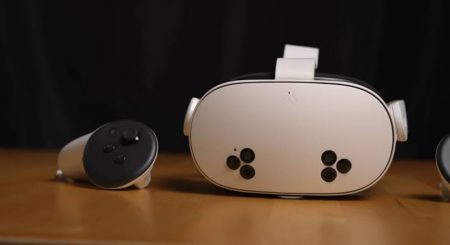
Meta’s CTO confirmed the company will showcase next-generation VR headsets at Connect 2026 on September 23. Two codenames have circulated:…

Google released Gemini 3.6 Flash on July 21, 2026, claiming it uses 17% fewer tokens than its predecessor while delivering…

NVIDIA’s Q3 fiscal 2026 results showcased the AI boom in numbers. Revenue hit $57 billion, up 62% year over year…

Microsoft made OpenAI’s deep reasoning O1 model available free to all Copilot users in July 2026, removing paywalls around reasoning-class…

Smartphones in 2026 have crossed a threshold. They’re no longer just tools that talk to cloud servers. They’re becoming autonomous…
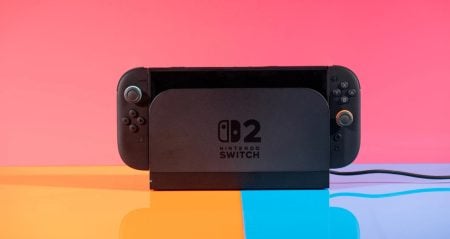
Nintendo Switch 2 sold 5.82 million units in Q1 fiscal 2026, a remarkable debut for the console. The hardware sold…

Intel reports Q2 2026 earnings on July 23, with the foundry business in focus. Analysts expect revenue of $14.42 billion…

Alphabet Inc. raised its 2026 capital spending forecast to $195–$205 billion on Wednesday, doubling last year’s investment as it races…
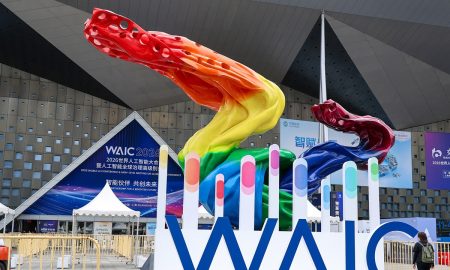
The World Artificial Intelligence Conference concluded on July 20, 2026, in Shanghai after four days of keynotes, exhibitions, and competitions.…
Taiwan Semiconductor Manufacturing Company reported record profit in the second quarter of 2026, with net income up 77% year-over-year to…
Google delayed Gemini 3.5 Pro in July 2026 after internal testing showed the model fell short of expectations in coding…
Microsoft launched Frontier Company on July 2, 2026, a new operating unit backed by $2.5 billion and roughly 6,000 engineers.…
Apple sued OpenAI on July 10, 2026, alleging that the AI lab stole trade secrets related to hardware design. The…

Moonshot AI released Kimi K3 on July 16, 2026, a 2.8-trillion-parameter model that claimed the top spot on Arena.AI’s Frontend…
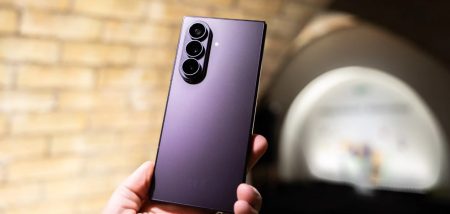
Samsung announced new foldable phones and smartwatches on July 22, 2026, at Galaxy Unpacked in London. The company revealed the…